






News
-
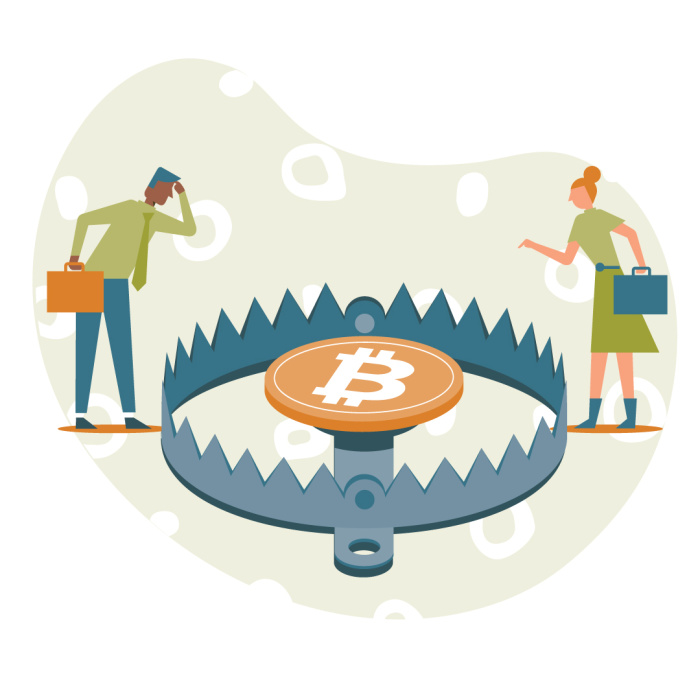
Beware of Crypto Scams
Cryptocurrency, or Crypto, is a type of digital currency purchased via phone, computer, or cryptocurrency ATM. Unlike traditional currency, crypto values frequently change and aren’t backed by the federal government. Using crypto doesn’t offer the same protections that a traditional bank account or debit card would.
-
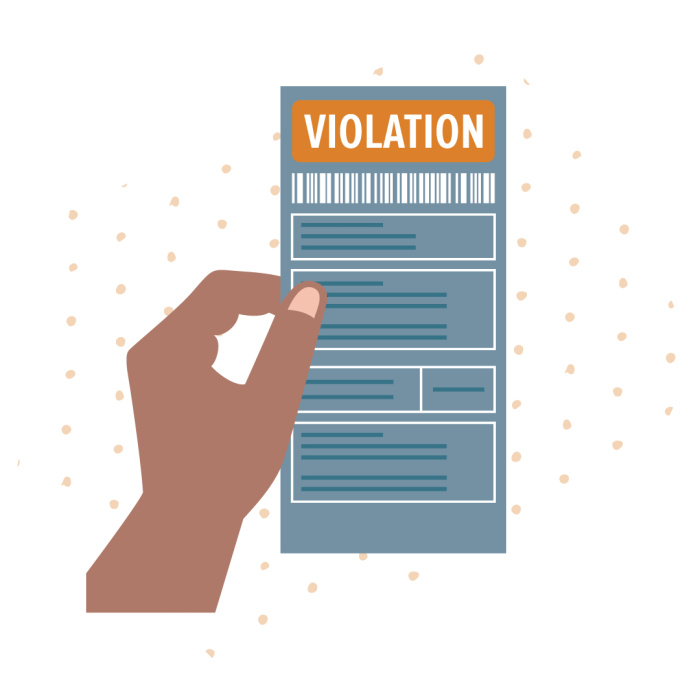
Beware of Fake Parking Ticket Scams
Scammers are sending messages and/or documents that appear as legitimate parking violation notices with the goal of convincing targets that they owe for a ticket and pressure them to pay quickly.
-
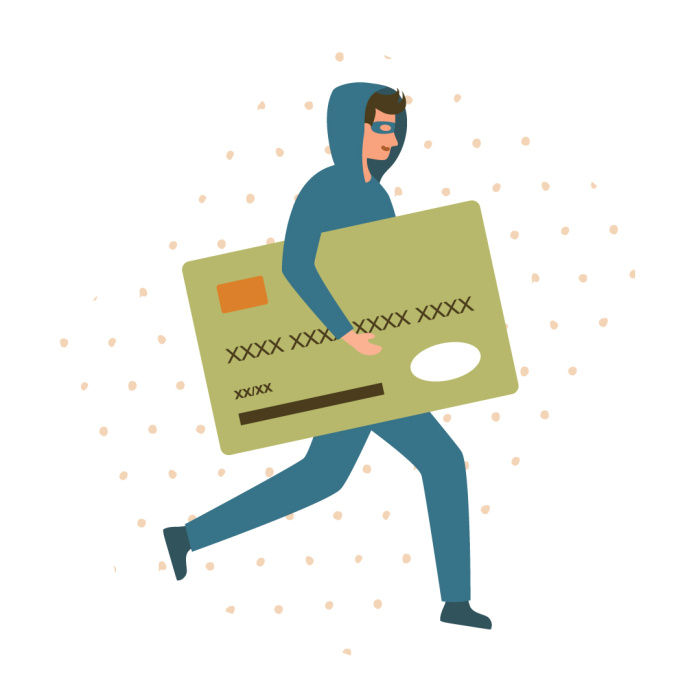
How do I Spot Credit Card Fraud Early?
Credit card fraud can lead to unauthorized charges and financial harm. Spot it early by monitoring your accounts, using alerts, and safeguarding your personal information.
-

Top Tips: Spot the Artificial Intelligence (AI) Difference
Smart habits you can learn to protect yourself from AI related fraud.
-

Member Statement Enhancements
March month-end statements will feature updates providing increased clarity and transparency. Members will begin receiving these enhanced statements in early April.
-
Trending Scams: Romance Scams
This short piece from our February Fraud Newsletter offers helpful tips to recognize and avoid romance scams.
-

January CreditLine CEO Message
A new year often brings a sense of fresh beginnings, and here at GSCU, 2026 is no exception. As we enter the year ahead, we remain focused on what matters most—supporting our members, improving our products and services, and growing together as a credit union.
-
How to Protect Your Identity During the Holiday Shopping Season
Learn how to stay safe and protect your finances at the peak of fraudulent activity in this month's Fraud Education article!
-
Making "Cents" of the End of the Penny
The U.S. Treasury has stopped production of the penny. Let's make cents of that change together.
Why
The U.S. Treasury recently determined that the cost of producing the penny exceeds the value of the coin. As a result, penny production has been discontinued. -

Social media safety: What not to share
Social media connects us to friends, family, and communities—but it can also expose us to identity theft and fraud if we’re not careful. What you share online can be used by scammers to guess passwords, reset accounts, or impersonate you.